
Discover how EMS technology helps beginners train smarter.
Why do beginner runners get injured?
Running injuries often happen because training stress increases faster than the body can adapt. Beginners usually start with strong motivation but limited pacing experience. They may increase distance too quickly, run at high intensity too often, skip recovery, or ignore early discomfort.
The problem is not that running is unsafe. The problem is that many new runners treat every workout like a test. They compare pace, distance, and calories before they have built the basic habit of controlled movement. This leads to excessive fatigue and makes running feel harder than it needs to be.
For many beginners, the best first goal is not speed. It is consistency. A controlled run that can be repeated three times per week is more valuable than one exhausting workout followed by several days of soreness and discouragement.
Understanding overtraining in simple terms
Overtraining happens when exercise stress exceeds recovery capacity. A healthy training cycle is training stress, recovery, adaptation, and improvement. An unhealthy cycle is training stress, more training, more stress, and deeper fatigue. Beginners are vulnerable because they may not recognize the difference until motivation drops or discomfort appears.
Common signs of excessive training can include constant tiredness, declining performance, heavy breathing at normal pace, poor recovery, lack of motivation, and recurring discomfort. These signs do not always mean a serious injury, but they are useful warnings that intensity or volume should be adjusted.
Smart wearable feedback can support this adjustment. When a device helps users notice intensity earlier, they can slow down before the workout becomes unsustainable. This is where heart-rate monitoring and EMS reminder technology work together.
Why heart-rate training matters for beginners
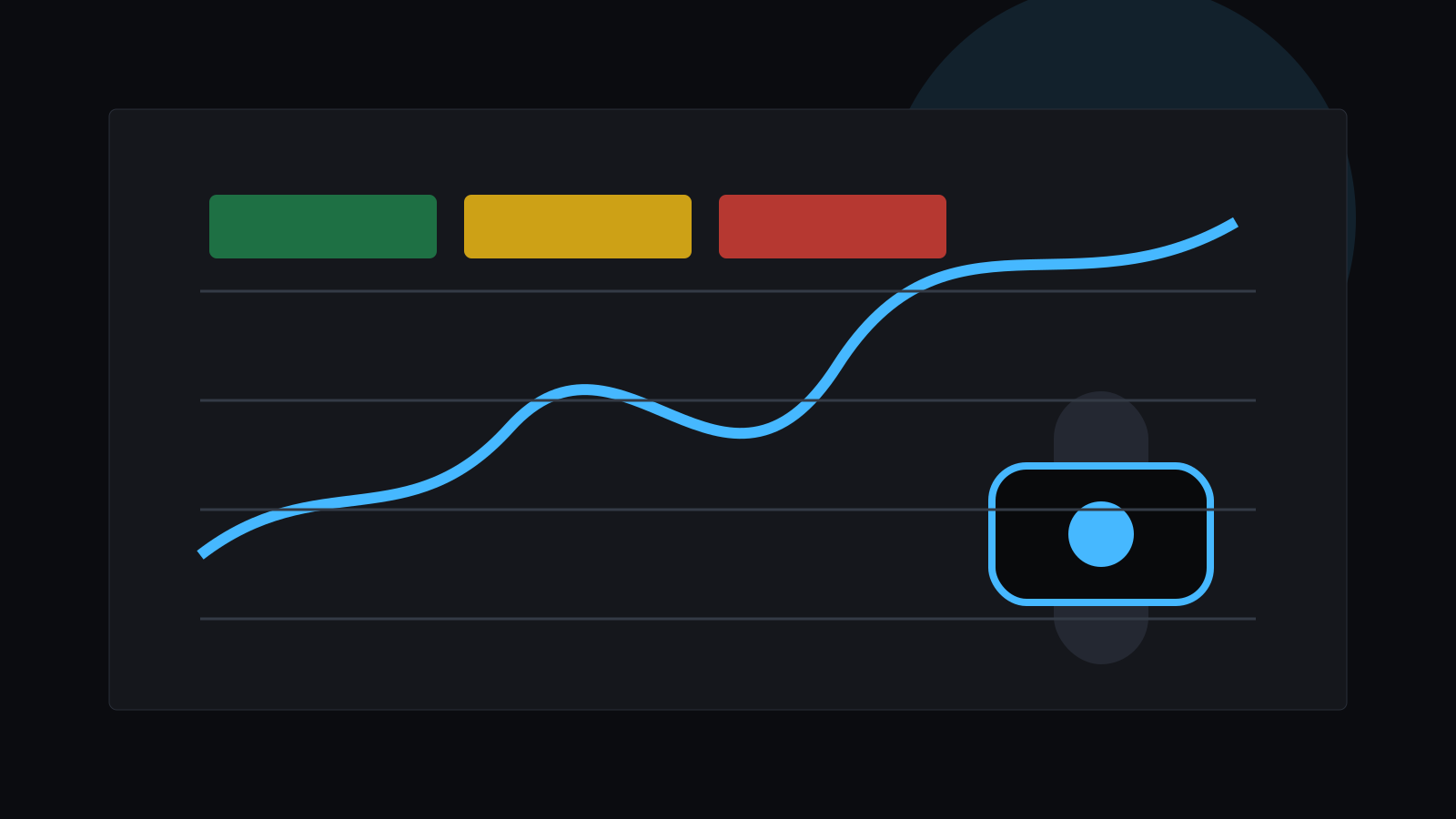
Heart rate gives runners a simple view of internal effort. Pace tells you how fast you are moving. Heart rate tells you how hard your body is working to sustain that movement. Two people can run at the same speed while experiencing very different levels of effort.
Beginner-friendly heart-rate training does not need to be complicated. Low intensity should feel conversational and sustainable. Moderate intensity increases breathing but remains controlled. High intensity is difficult to maintain and should be used carefully by new runners. The key is learning when to slow down.
A smart EMS training watch allows users to set a safety zone. If the user's heart rate exceeds the chosen range, the watch can deliver a gentle skin reminder. The reminder stops when heart rate returns to a better range. This makes the training signal easy to understand while running.
How smart EMS reminder technology helps prevent overtraining
Traditional alerts depend on attention. A user must see the screen, hear the beep, or notice vibration. During running, attention is divided. The user is breathing, moving, watching the road, listening to music, and managing fatigue.
EMS feedback is different because it is physically felt and silent. It can be customized by intensity level, which makes it adaptable to different users and environments. For beginner runners, this can create a clear behavioral cue: reduce pace, breathe steadily, and return to a sustainable zone.
The technology should be positioned responsibly. It does not guarantee injury prevention, diagnose health conditions, or replace coaching. It supports safer training habits by making intensity feedback more immediate and intuitive.

Building a sustainable running habit
A long-term running habit is built through repetition, not punishment. Beginners should choose a manageable schedule, increase distance gradually, keep most runs comfortable, and allow recovery between sessions. Technology is most useful when it supports these basics.
The Skxin Shooky Watch product story fits this behavior change. It helps users receive private reminders when heart rate rises above a preset range. That makes the product easy to explain to first-time runners: it is not just a watch that tracks workouts, it is a watch that helps users adjust during the workout.
For overseas distributors and fitness brands, this creates a strong content angle. Blog articles, landing pages, product listings, and paid ads can focus on the user problem first: beginners quit because they train too hard too soon. The product then becomes a practical answer.
Beginner runner checklist
Start with short sessions. Keep the first weeks comfortable. Do not increase distance and intensity at the same time. Use heart-rate monitoring to understand effort. Respond to reminders by slowing down rather than pushing through. Review each workout and adjust your next session.
Choose wearable settings that are easy to understand. If the reminder is too strong, lower the intensity. If the threshold is too strict, review your goal and adjust it responsibly. The best device settings are the ones that help the user continue training consistently.
From a B2B perspective, this checklist can be converted into packaging inserts, distributor training materials, product detail page content, and downloadable lead magnets. This supports SEO, AI Overview extraction, and conversion at the same time.
A beginner weekly structure that reduces risk
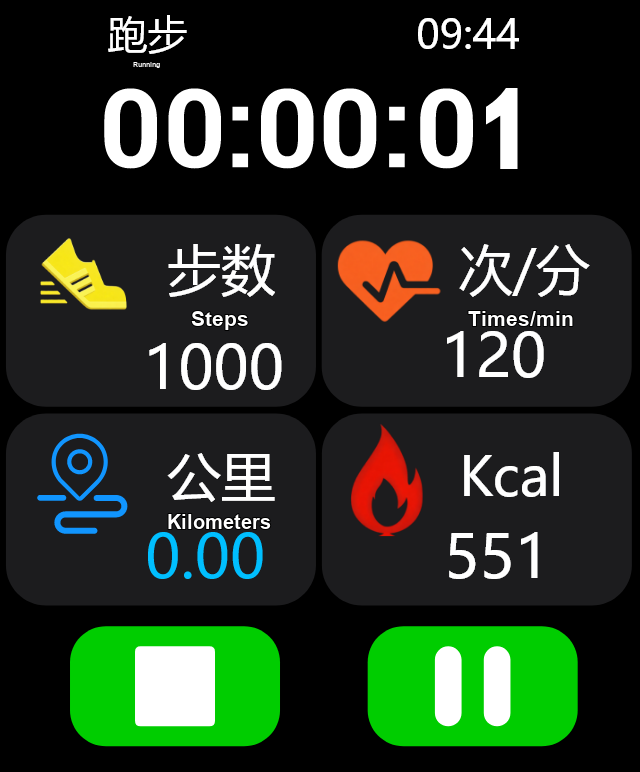
A safer weekly structure starts with frequency before intensity. A beginner might run or walk-run three times per week, leaving at least one recovery day between sessions. The first session can focus on easy movement. The second can repeat the same distance. The third can be slightly longer only if the first two felt manageable.
Heart-rate alerts are useful because beginners often increase effort without noticing. If the EMS reminder activates frequently, it is a sign to slow the pace, shorten the interval, or extend walking recovery. The user should not try to beat the reminder. The reminder exists to protect consistency.
After two to four weeks, the runner can review patterns. If the same pace produces a lower heart rate, fitness may be improving. If heart rate rises unusually fast, recovery, sleep, heat, stress, or hydration may be affecting the session. This is where wearable data and body awareness should work together.
How brands should educate customers about overtraining
For a B2B website, running injury prevention should be handled carefully. The content should avoid promising that a product prevents injuries in every situation. A more responsible claim is that smart EMS reminder technology helps users control exercise intensity, which may support safer and more sustainable training habits.
This difference matters for trust. Buyers in overseas markets need content that can survive scrutiny from consumers, distributors, advertising platforms, and search engines. Educational wording should explain mechanisms rather than exaggerate outcomes. For example: when the user's heart rate exceeds the preset range, the watch provides a reminder to slow down. That is clear and defensible.
Product education should also include who should use caution. Electrical stimulation products may not be suitable for people with implanted medical devices or certain health conditions. Adding responsible guidance improves E-E-A-T because it shows the supplier is not hiding limitations.
AI Overview questions this page answers
This article is built around questions that beginner runners and AI answer systems commonly need to resolve. Why do beginner runners get injured? How can runners avoid overtraining? What is heart-rate training? How can a wearable help control intensity? What makes EMS feedback different from vibration or sound?
Each answer is written in a direct format because AI Overview-style results often summarize concise explanations. However, the page also includes deeper B2B context for buyers who continue reading. This combination helps the page serve both informational searchers and commercial prospects.
This article is now the main live blog page for the EMS running topic cluster. It focuses on overtraining and injury-prevention behavior while still supporting commercial buyer intent and AI search extraction.
How this content supports B2B sales teams
Sales teams often answer the same questions repeatedly: what is EMS, why does it matter for runners, how does the heart-rate alert work, and how should the product be positioned? A detailed blog article can reduce repeated explanation and give sales staff a link to share with buyers.
For paid traffic, the article also provides message testing ideas. Ads can focus on beginner running mistakes, heart-rate training, private reminders, and sustainable fitness habits. A distributor landing page can then use the same language, creating message consistency from ad to article to product detail page.
For Skxin, the conversion path is simple: educate the reader, show the product scenario, invite sample discussion, and collect market and quantity information. The inquiry form in the sidebar and CTA popup are designed for this path, not for consumer checkout complexity.
Common beginner running mistakes to address in product content
The most common mistake is starting every run too fast. Beginners often believe that a harder workout is automatically better. In reality, sustainable improvement usually comes from controlled effort repeated over time. A product page can explain that the EMS reminder is designed to help users notice when effort rises above the selected range.
Another mistake is ignoring recovery. A watch cannot force a user to rest, but it can help the user notice patterns. If heart rate rises quickly at an easy pace, the user may need a lighter session. Educational content should encourage users to combine device feedback with sleep, soreness, and general energy level.
A third mistake is relying only on pace. Pace can be affected by hills, weather, stress, and running surface. Heart-rate feedback adds a more personal view of effort. This makes the product message stronger: Shooky Watch helps users respond to their body's intensity signals, not only speed numbers.
Commercial keyword angles for paid traffic and SEO
This article can support several keyword angles beyond the main phrase running injury prevention. Useful variations include beginner running training, prevent overtraining, heart-rate training for beginners, smart running wearable, EMS training technology, and electrical stimulation sports watch. Each phrase reflects a different stage of buyer awareness.
Top-of-funnel visitors may search how to avoid running injuries. Middle-of-funnel readers may compare wearable features. Commercial visitors may search EMS sports watch supplier, smart sports watch manufacturer, or ODM wearable device. A strong independent site should connect all three stages instead of treating blog traffic as separate from product inquiries.
For paid traffic, the same angles can become ad groups. One campaign can focus on beginner training control. Another can focus on silent private reminders. A third can target distributors looking for differentiated smart wearable products. The blog article gives these campaigns a credible landing context.
How to measure whether this blog topic is working
The first metric is not only traffic. For a B2B site, qualified behavior matters more. Track article scroll depth, clicks on product links, CTA popup opens, form starts, form submissions, and clicks to the contact page. These signals show whether readers are moving from education to inquiry.
Search performance should be reviewed by query group. If impressions grow for beginner running and overtraining questions, the article is doing its educational job. If clicks grow for EMS wearable or smart running watch terms, the article is helping bridge into commercial demand.
The article should be updated when new product videos, factory images, buyer questions, or market objections become available. Helpful content is not a one-time asset. It becomes stronger when it reflects real sales conversations and product proof.
Trust note for health and fitness content
Running injury prevention is a sensitive topic because users may have different health conditions, training histories, and physical limits. The article should remind readers that a smart EMS sports watch is a support tool, not a medical device or a substitute for professional advice.
This trust note does not weaken conversion. It strengthens it. Buyers prefer suppliers who can communicate responsibly because responsible content is easier to adapt for local markets. It also reduces the risk of exaggerated claims in ads, product listings, and distributor materials.
For Skxin, the safest and clearest message is that Shooky Watch helps users monitor heart rate, receive private EMS reminders, and adjust training intensity. That is specific, understandable, and aligned with the product's real value.
Frequently asked questions
How can beginners avoid running injuries?
Start gradually, control intensity, monitor heart rate, recover properly, and avoid increasing distance too quickly.
Why do beginner runners overtrain?
Many beginners run too fast, increase distance too soon, and do not yet understand body signals or heart-rate zones.
How can EMS reminders help runners?
EMS reminders provide direct physical feedback when preset training conditions are reached, helping users adjust intensity.
Does an EMS watch prevent all injuries?
No device can prevent all injuries. EMS feedback supports better habits but should be used with sensible training and health guidance.